Your lineage remembers the deepest organ it has reached. Reaching a new organ for the first time opens deeper skill rows, better gear and, for three of the viruses, a permanent adaptation announced as '<VIRUS> ADAPTS'. Adaptations stack and apply in every organ and every Game Mode once reached. Influenza A has none.
Bleeds, Hemorrhage and Viral Hemorrhage hit 80% harder.
From the Codex
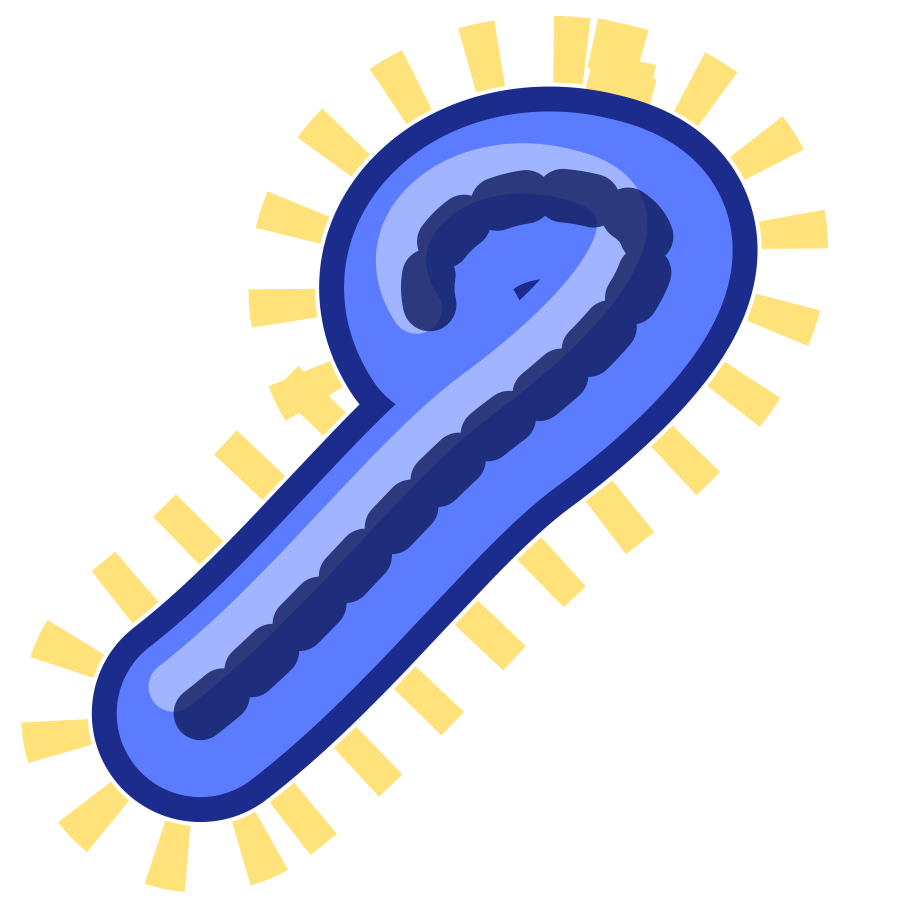
A fictional filovirus inspired by Ebola: a long thread-like virion, often curled into a 'shepherd's crook'. Real filoviruses cause fever, bleeding and organ failure; some Ebola outbreaks have killed up to 90% of those infected.
Fun fact: Ebola was discovered in 1976 near the Ebola River in what is now the DR Congo. The 2014–16 West Africa epidemic infected over 28,000 people.
Bleeds, Hemorrhage and Viral Hemorrhage hit 50% harder, and bleeding cells deal 35% less damage.
From the Codex
A fictional filovirus inspired by Ebola: a long thread-like virion, often curled into a 'shepherd's crook'. Real filoviruses cause fever, bleeding and organ failure; some Ebola outbreaks have killed up to 90% of those infected.
Fun fact: Ebola was discovered in 1976 near the Ebola River in what is now the DR Congo. The 2014–16 West Africa epidemic infected over 28,000 people.
Bleeding +10%, and Hemorrhage weakens cells 5% more.
From the Codex
A fictional filovirus inspired by Ebola: a long thread-like virion, often curled into a 'shepherd's crook'. Real filoviruses cause fever, bleeding and organ failure; some Ebola outbreaks have killed up to 90% of those infected.
Fun fact: Ebola was discovered in 1976 near the Ebola River in what is now the DR Congo. The 2014–16 West Africa epidemic infected over 28,000 people.
Infection, spike volleys, outbreaks and the ultimate hit 80% harder.
From the Codex
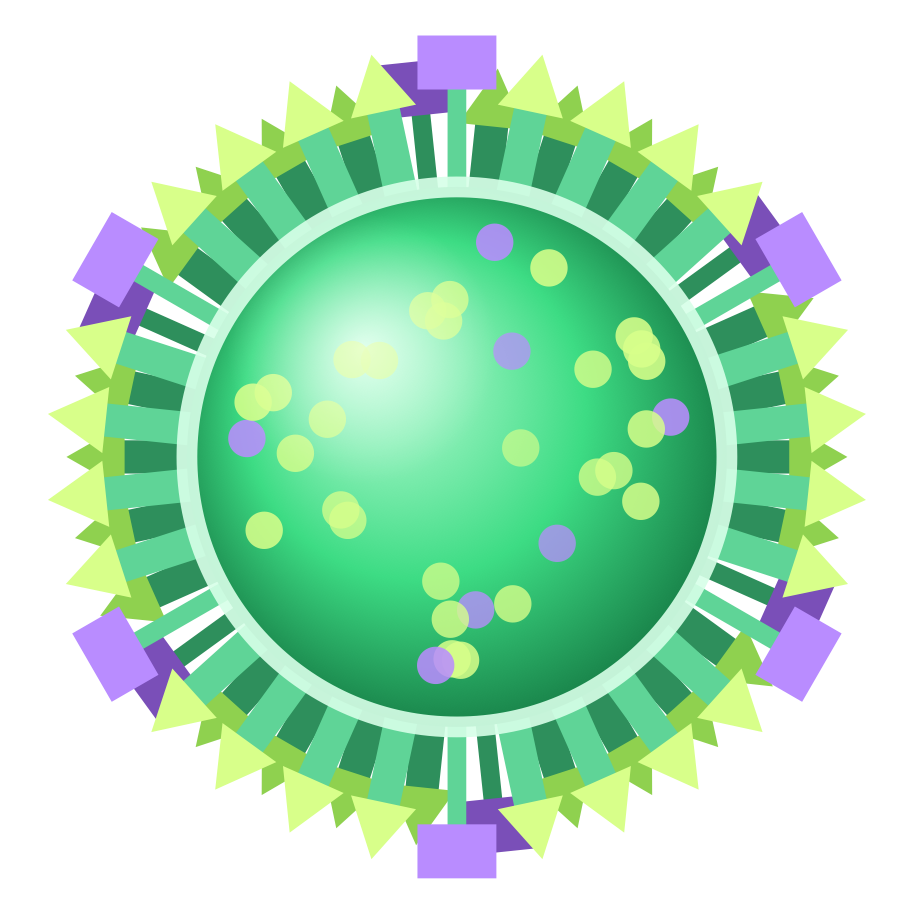
A fictional virus crowned with a halo of spike proteins that bind receptors on cells in the airways. It spreads before symptoms show, or with none at all.
Fun fact: Real viruses with a crown of spikes are called coronaviruses, from the Latin for crown; the 2003 SARS outbreak was caused by one.
Spike volleys +15% damage; the Fury variant gives +65% damage instead of +60%.
From the Codex
A fictional virus crowned with a halo of spike proteins that bind receptors on cells in the airways. It spreads before symptoms show, or with none at all.
Fun fact: Real viruses with a crown of spikes are called coronaviruses, from the Latin for crown; the 2003 SARS outbreak was caused by one.
Infection, spike volleys, outbreaks and the ultimate hit 60% harder.
From the Codex
A fictional virus crowned with a halo of spike proteins that bind receptors on cells in the airways. It spreads before symptoms show, or with none at all.
Fun fact: Real viruses with a crown of spikes are called coronaviruses, from the Latin for crown; the 2003 SARS outbreak was caused by one.
Infection, spike volleys, outbreaks and the ultimate hit 90% harder.
From the Codex
A fictional virus crowned with a halo of spike proteins that bind receptors on cells in the airways. It spreads before symptoms show, or with none at all.
Fun fact: Real viruses with a crown of spikes are called coronaviruses, from the Latin for crown; the 2003 SARS outbreak was caused by one.